What you should know
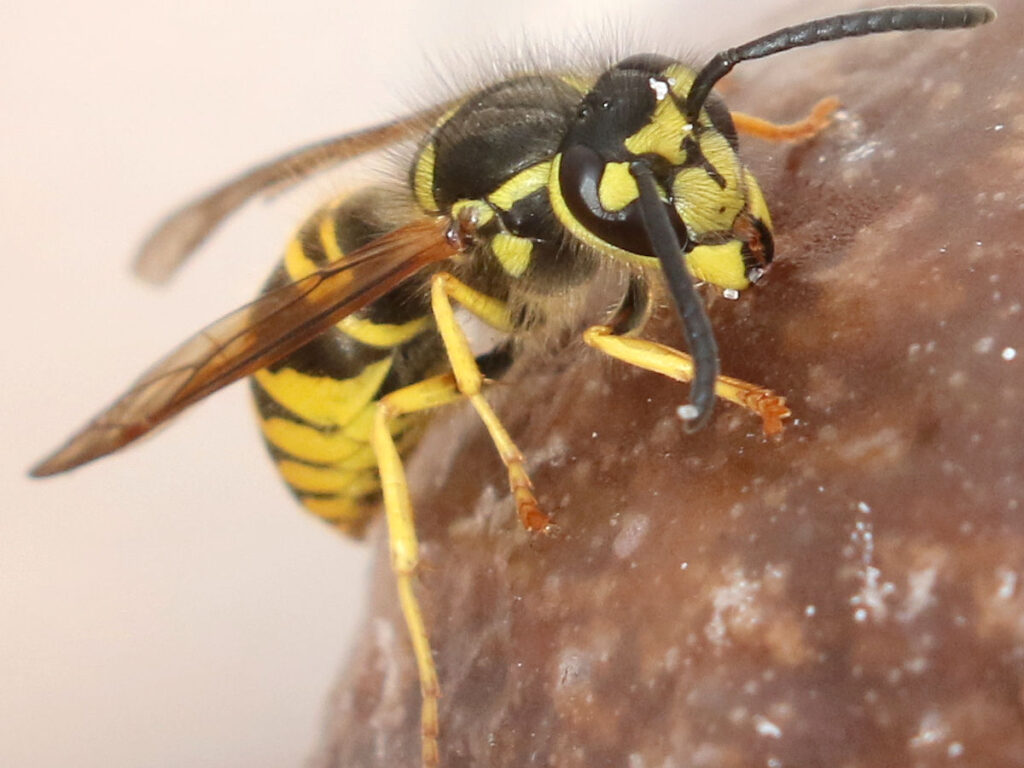
Wasps may build nests in roof voids, wall cavities, sheds, trees or underground spaces. A steady stream of insects entering one point is more suggestive of a nest than occasional feeding activity. Bees and other insects can be mistaken for wasps, so identification comes first.
Signs worth looking for
- Repeated wasps flying into the same gap or opening
- Concentrated activity near a roofline, shed or hedge
- A visible papery nest in a sheltered location
- Defensive wasp behaviour close to a suspected nest
Inspection and treatment considerations
A technician considers nest location, species identification, height, access and proximity to people. Whether intervention is appropriate depends on the risk and circumstances. Treatments require suitable equipment, authorised products and precautions.
Reducing the risk of recurrence
Reduce access to attractive food waste and sugary residues. Structural sealing should only be considered once activity has stopped and there is no risk of trapping insects in inaccessible spaces.
A precaution worth taking
Do not block an active entrance, spray a nest from close range, or attempt to remove one without suitable competence and protective measures.
Frequently asked questions
Are all wasp nests treated?
Not automatically. The species, location and risk should be assessed first.
Can a wasp nest be inside a wall?
Yes. Activity entering a gap may indicate a concealed nest, but other explanations need checking.
Is it safe to seal the entrance?
Do not seal an active entrance; wasps may search for alternative routes, including into occupied rooms.