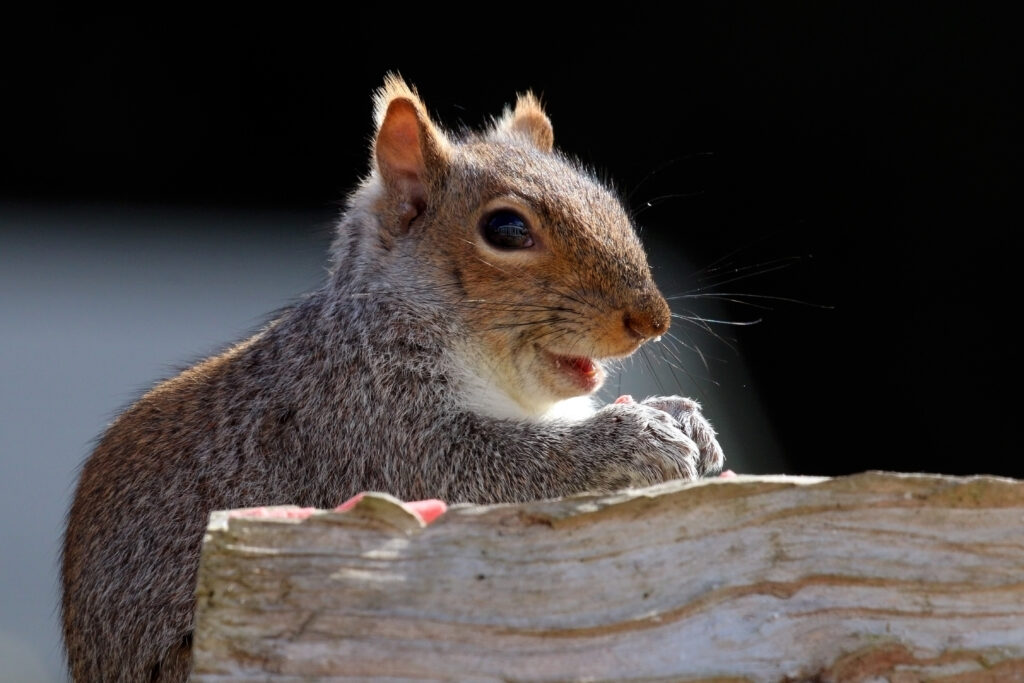
What you should know
Grey squirrels can enter roof voids through damaged eaves, roof junctions and openings, sometimes causing noise or damage to insulation and stored materials. Other animals can cause similar sounds, so identification is important before taking action.
Signs worth looking for
- Daytime running or scratching in roof spaces
- Gnawed fascia boards or widened openings near roof edges
- Disturbed insulation or nesting material in loft areas
- Regular squirrel activity reaching the same roof point
Inspection and treatment considerations
A suitable inspection should confirm the species and active entrance, consider whether young animals may be present and examine access safety. Control and exclusion must respect applicable wildlife rules. Professional advice is important before trapping, proofing or undertaking roof work.
Reducing the risk of recurrence
Manage access from overhanging branches where appropriate, maintain roofs and repair suitable entry points only after confirming there are no animals trapped inside.
A precaution worth taking
Do not block an occupied entry point. Grey squirrels are subject to specific legal restrictions, including around release after capture; action needs competent assessment.
Frequently asked questions
Could the noise be rats rather than squirrels?
Yes. The timing, sound, droppings, evidence and access routes can help distinguish species.
Can I block the loft hole immediately?
Not until it is confirmed safe; blocking an occupied opening may trap animals and cause further damage.
Are there legal restrictions?
Yes. Wildlife rules can affect capture, release and methods of control. The proposed action must be checked against current law.