What you should know
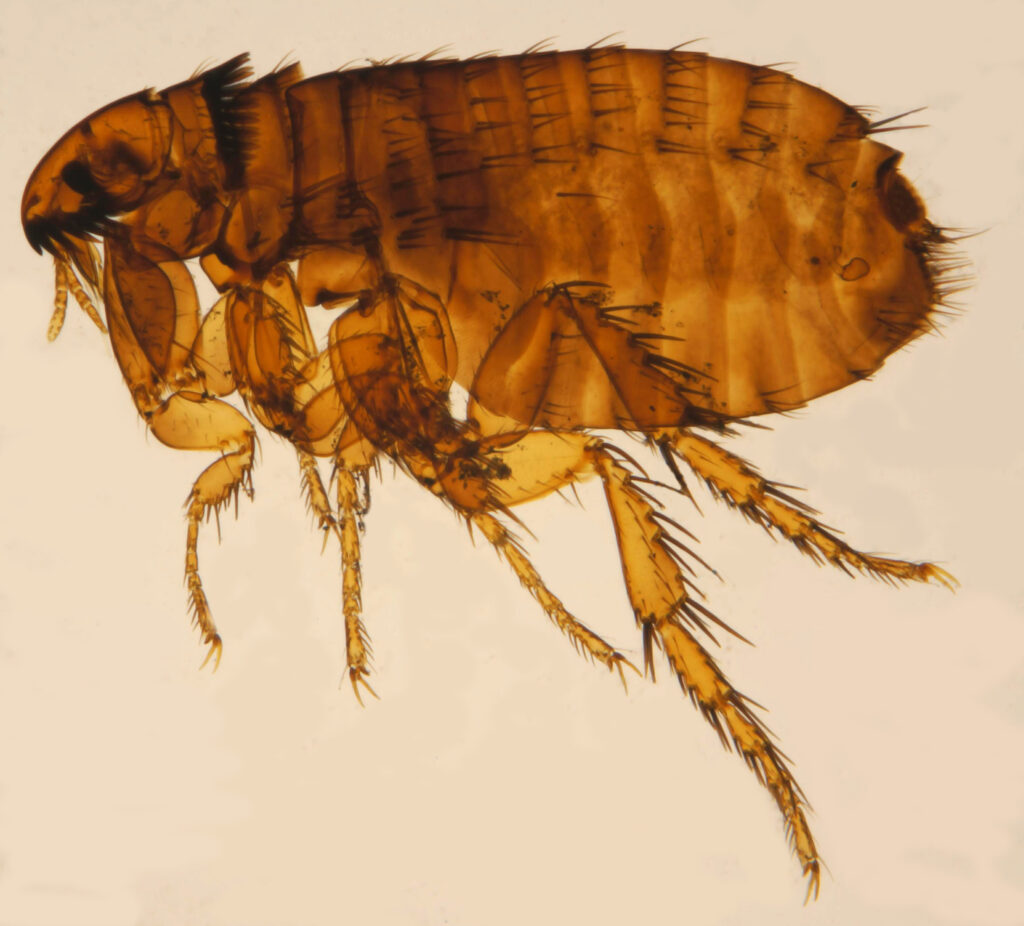
Fleas are small, jumping insects, often associated with cats, dogs and places where animals rest. Adults may be visible, but eggs and developing stages can be distributed through fabrics and floor coverings. A recurring problem needs both the source and environment considered.
Signs worth looking for
- Small dark insects jumping near floors or animal bedding
- Bites affecting ankles or lower legs, though bites are not conclusive
- Flea dirt or insects found with a flea comb on a pet
- Persistent activity after an animal has left the home
Inspection and treatment considerations
Assessment considers whether fleas are confirmed, pet treatment arrangements and affected rooms. Environmental treatment may be needed in addition to veterinary care for animals. Preparation and follow-up depend on the chosen method and life-cycle stage.
Reducing the risk of recurrence
Seek veterinary advice on pet flea prevention and treat all relevant animals appropriately. Vacuuming and laundering suitable fabrics can form part of a coordinated plan.
A precaution worth taking
Never apply household insecticide to an animal. Follow veterinary guidance and product instructions for pets.
Frequently asked questions
Can fleas remain after the pet has gone?
Yes. Immature stages may develop in the environment, and new adults can emerge later.
Can I treat the house without treating pets?
That often leaves the source unresolved. Discuss animal care with a veterinary professional.
Why do fleas appear again after treatment?
Life-cycle stages can emerge later; the correct plan may include continued monitoring and follow-up.