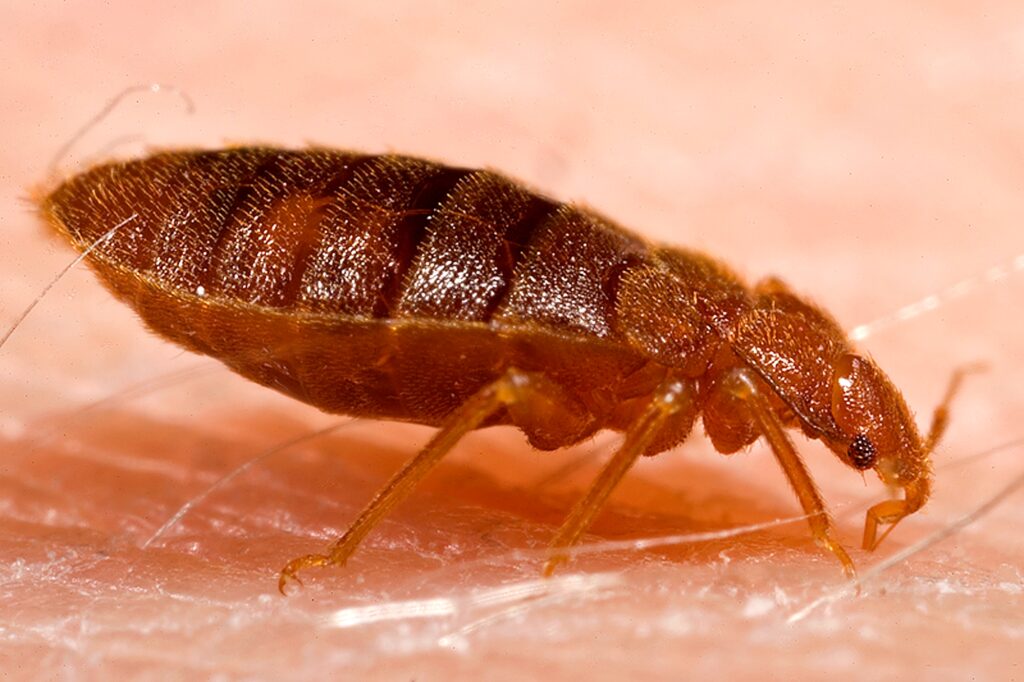
What you should know
Bed bugs are small, flattened insects associated with places where people rest. Bites alone do not identify them: other insects and skin conditions can appear similar. Clear evidence is usually found by inspecting bedding, bed frames, headboards, seams and nearby cracks.
Signs worth looking for
- Live insects or shed skins around bed frames and mattress seams
- Dark spotting near harbourage or along furniture joints
- Small marks on bedding that may accompany activity
- Repeated suspicious sightings near sleeping or resting places
Inspection and treatment considerations
A detailed inspection helps confirm whether bed bugs are present and how widely they have spread. Treatment may combine targeted professional methods, preparation guidance and repeat visits. The plan should account for the particular furniture, occupancy and heat or chemical suitability.
Reducing the risk of recurrence
Inspect second-hand furniture carefully, keep suspect items isolated and follow preparation guidance. After travel, inspect luggage and belongings if there is a credible exposure risk.
A precaution worth taking
Do not move suspect furniture or bedding through the property without advice; this can disperse insects. Avoid improvised chemical mixtures or excessive heat.
Frequently asked questions
Can bites confirm bed bugs?
No. A confirmed insect or other diagnostic evidence is far more reliable.
Will one visit eliminate bed bugs?
Not necessarily. Established activity can require follow-up inspections and additional treatment.
Should I throw away the mattress?
Not automatically. Disposal decisions should follow inspection and treatment advice.