What you should know
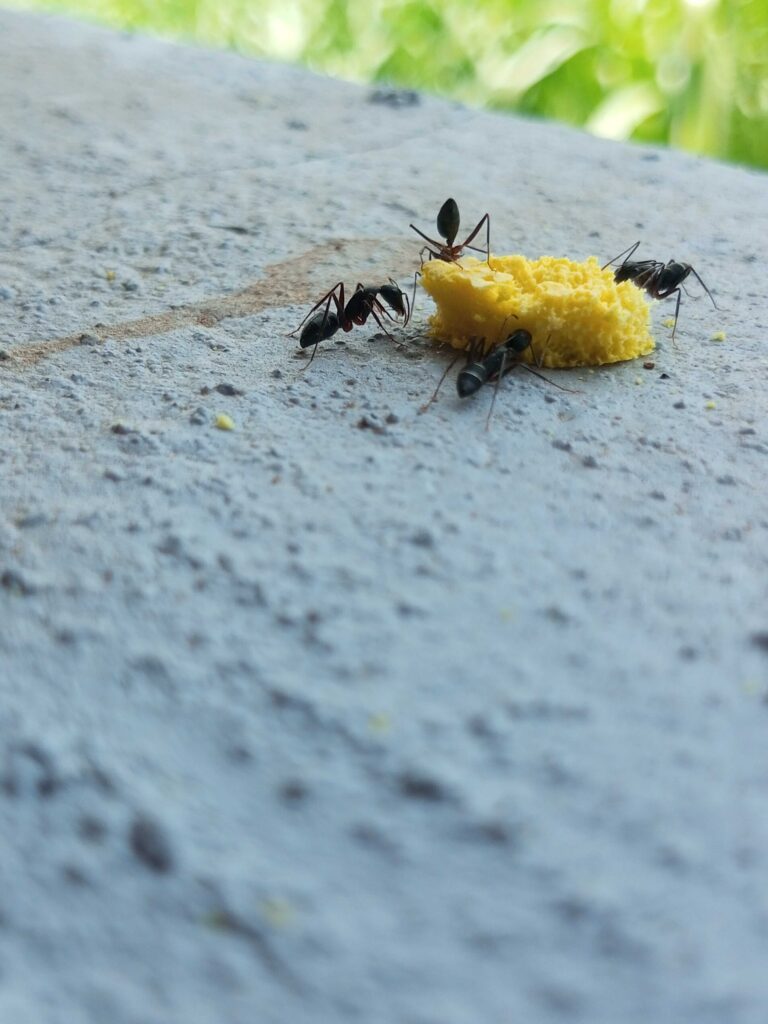
Many ant species are attracted to food crumbs, moisture and accessible routes into buildings. Outdoor activity is common and does not always require treatment. Persistent indoor trails can indicate a source close to the property or an established indoor harbourage.
Signs worth looking for
- Organised trails along skirting boards or window edges
- Clusters of ants near sweet food, pet bowls or sinks
- Activity appearing repeatedly through a wall or floor gap
- Winged ants emerging seasonally in an area
Inspection and treatment considerations
Species and behaviour influence the appropriate response. Inspection aims to locate trails, access routes and environmental attractants. A professional may recommend sanitation, exclusion, monitoring or a species-appropriate treatment.
Reducing the risk of recurrence
Clean spills, store open food, maintain seals around entry points and address damp where relevant. Do not rely on blocking one visible trail without investigating other routes.
A precaution worth taking
Flying ants can be a natural seasonal event. Do not indiscriminately treat outdoor insects without assessing whether they are causing a problem.
Frequently asked questions
Why do ants keep coming into the kitchen?
Food residues, moisture and access routes can attract them repeatedly.
Are flying ants a separate pest?
They are reproductive forms of ants; identifying the species and source helps interpret the activity.
Can I just block their entry hole?
It may help after proper assessment, but can shift a trail to another opening.