What you should know
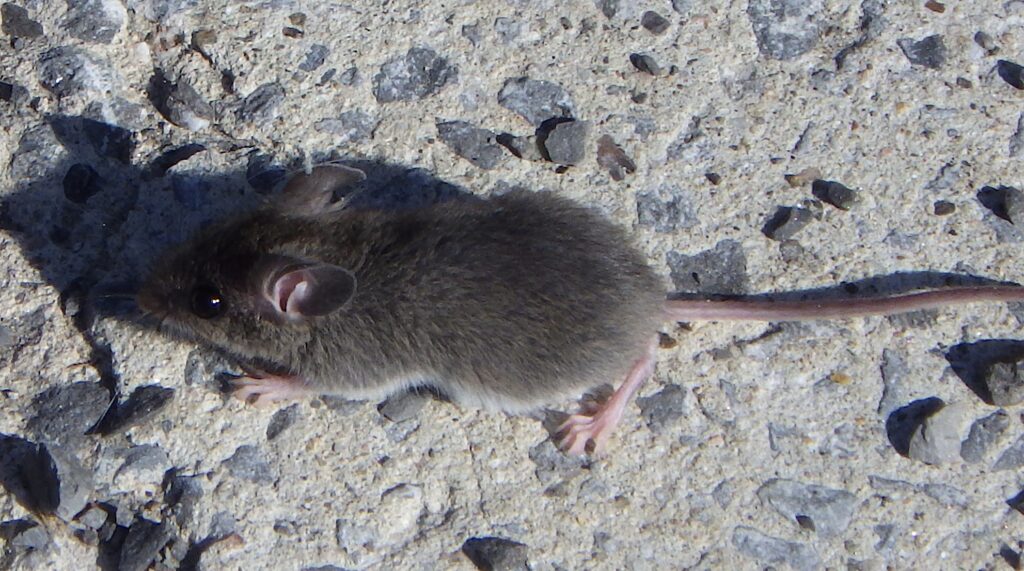
House mice are small enough to exploit surprisingly narrow gaps. Indoor activity may be concentrated behind kitchen units, along skirting boards, in cupboards, or in roof and wall voids. Identification matters because different rodents have different habits.
Signs worth looking for
- Small pointed droppings near cupboards and stored food
- Faint scratching or rustling, particularly after dark
- Nibbled packaging, insulation or stored materials
- Repeated sightings near wall edges or sheltered areas
Inspection and treatment considerations
An inspection looks at where mice are feeding and nesting, the likely entry points and the routes they use. A suitable management plan may involve strategic trapping or other authorised measures, sanitation and exclusion. Progress should be checked rather than inferred from a temporary absence of sightings.
Reducing the risk of recurrence
Store food and animal feed in robust containers, clear crumbs, inspect pipe and cable penetrations, and avoid leaving access gaps behind appliances. Seal routes using materials appropriate to the structure after activity is assessed.
A precaution worth taking
Avoid sweeping or vacuuming rodent droppings dry. Seek suitable hygiene advice for contaminated areas.
Frequently asked questions
How do mice get into a house?
They may enter through gaps around external services, doors, vents or building fabric.
Do mice only appear in dirty homes?
No. Shelter, warmth and an accessible entry point can attract mice even in well-kept properties.
Is proofing alone enough?
Proofing is important, but an active indoor problem may require control and follow-up.